

Heavy legs around 15 km? This is what happens in your body
Many walkers recognize it during the preparation for the 4 Days. The first kilometers go smoothly, but somewhere around 15 to 20 kilometers the legs start to feel heavier.
The pace drops slightly, muscles feel stiffer and the effort seems greater. That's no coincidence. During prolonged exercise, various processes take place in your muscles and in your brain.
What happens in your muscles during a long walk?
Your body mainly uses energy during longer walks carbohydrates and fats as an energy source. As the effort lasts longer, the glycogen stores in the muscles gradually decreases. Glycogen is the stored form of carbohydrates and an important fuel for muscle activity.
Research into endurance exercise shows that lower glycogen availability can contribute to: muscle fatigue and a heavier feeling in the legs. Studies on glycogen availability and muscle performance show that reduced glycogen stores are an important factor in fatigue during prolonged exercise.
In addition, problems arise during prolonged exertion minor damage to muscle fibers. This process, too exercise-induced muscle damage mentioned, is a normal part of training. During recovery, the body repairs these fibers and adapts, ultimately making muscles stronger and more resilient.
Research into long-term walking loads shows that clear increases occur in markers of muscle damage and muscle fatigue after long-term loads for distances of 15 to 50 kilometers.
This is exactly why recovery plays such an important role in preparing for the 4 days.
Sources:
- Burke et al. (2015). Glycogen availability and skeletal muscle adaptations to endurance exercise.
- Sousa et al. (2021). Pathophysiology or exercise-induced muscle damage.
- Studies on muscle strain during long-distance walks (20–50 km).
 Fatigue is not just in your legs
It also plays a role during long periods of exertion nervous system a role. When energy stores decrease and muscles become fatigued, the brain receives signals that the effort is becoming strenuous.
This can lead to:
- decreased concentration
- a higher sense of exertion
- motivation dips during long workouts
This combination of physical and mental fatigue is a well-known phenomenon during endurance exercise.
Why recovery is so important
The kilometers you make are important, but... real training progression happens during recovery.
In the hours and days after a workout:
- restore muscle fibers
- become replenished glycogen stores
- become waste materials removed
- recovers the nervous system
Sufficient recovery helps to prevent fatigue from building up and to start the next training session with fresh legs.
 Practical tips for recovery and energy
Hydration: more than just water
During long walks you lose moisture through sweating. That goes too electrolytes lost, such as sodium and potassium. These play an important role in fluid balance and muscle function.
Practical tips:
- drink small amounts regularly during long workouts
- at warm weather can be a sports drink with electrolytes help
- drink also after your training to replenish fluid loss
Energy while walking
During prolonged exercise, the body mainly uses energy carbohydrates as fuel.
For longer workouts, it can help to get small amounts of energy while walking, for example:
- fruits
- a energy bar
- sports nutrition with carbohydrates
This helps to replenish energy stores and delay fatigue.
Post-workout nutrition
After training, the body needs building materials for recovery.
A combination of carbohydrates and proteins can help with:
- replenish of glycogen stores
- recovery of muscle fibers
For example:
- cottage cheese with fruit
- a sandwich with egg or chicken
- a recovery shake
Walk and stretch
After a long walk a short cooling-down help to gradually calm the body.
A gentle walk for a few minutes helps keep circulation going and supports muscle recovery. Then you can light stretching help to reduce muscle tension and maintain mobility.
 Rest and recovery methods
Sleep and relaxation are essential for recovery of both muscles and the nervous system. In addition, many walkers use various recovery methods to stimulate blood flow and help relax muscles, such as:
Compression
For example with recovery boots or compression sleeves to support circulation in the legs.
Massage
Massage can help reduce muscle tension. This can be done with one massage mat or for example a massage gun.
Heat
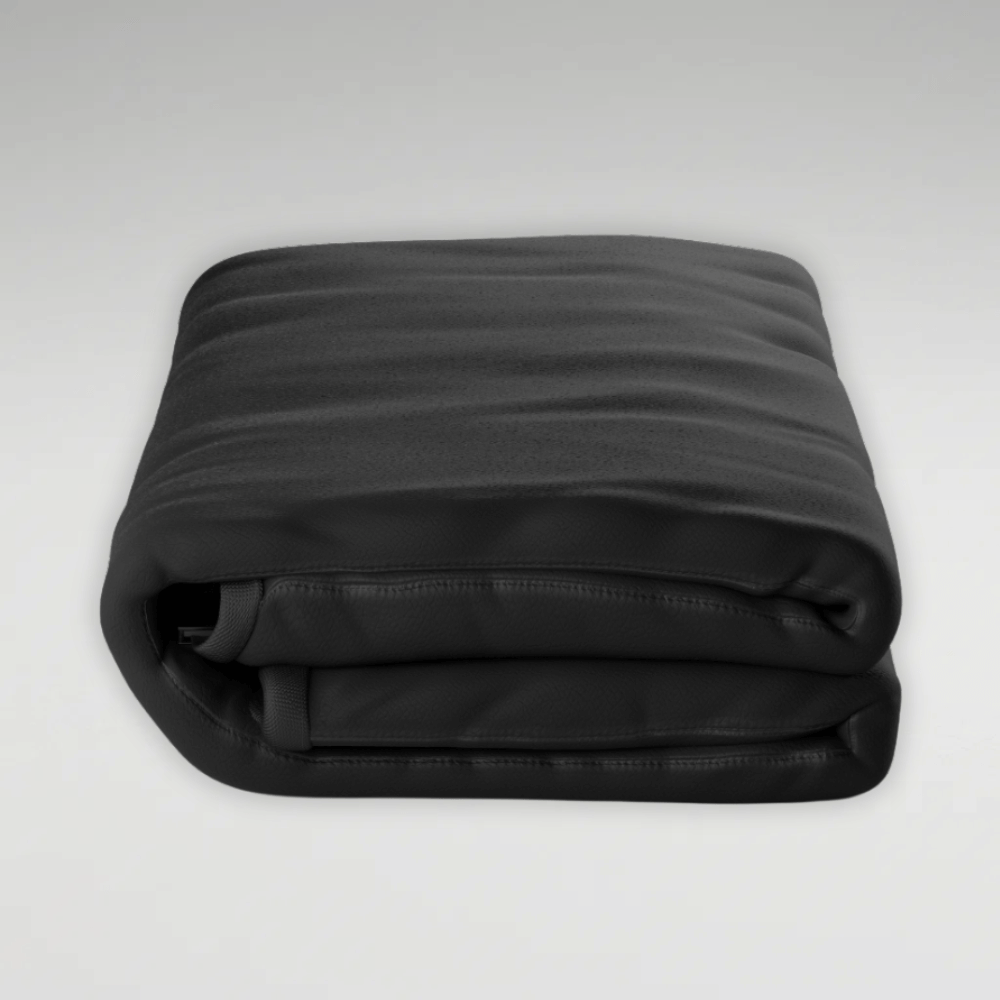
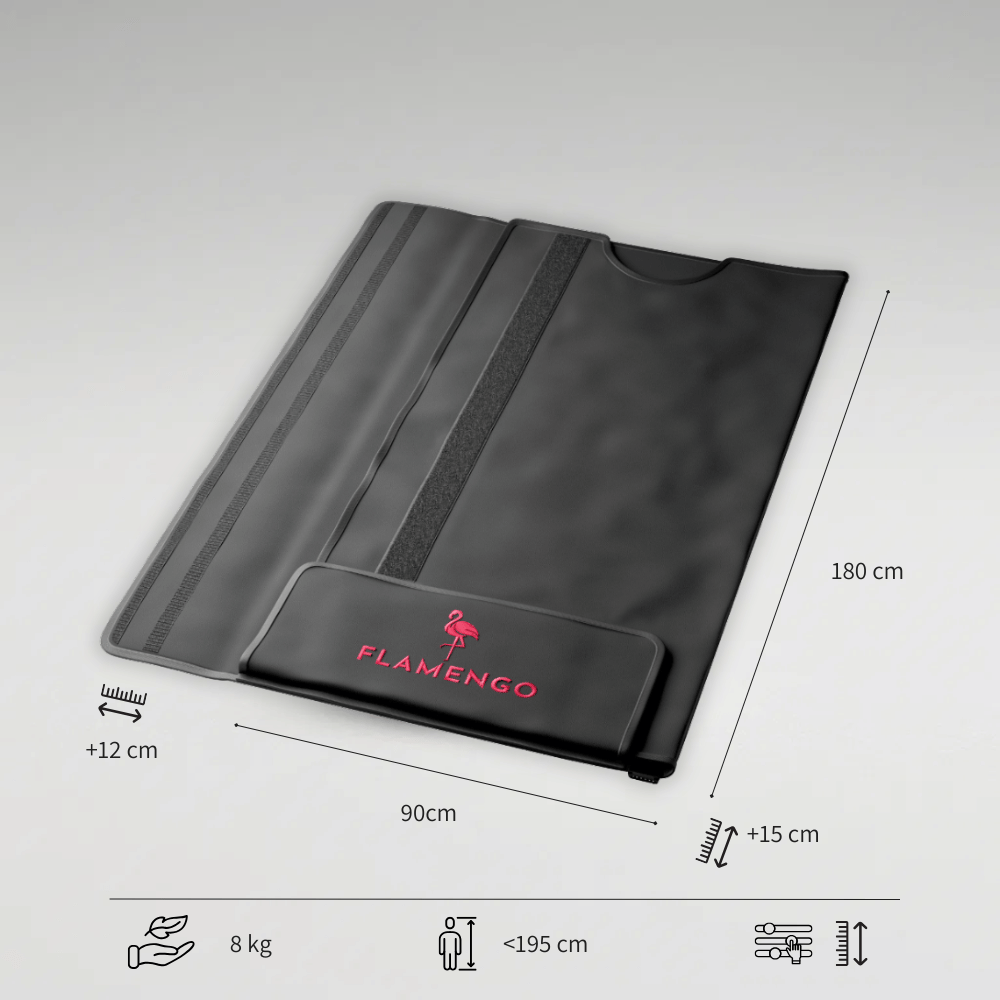
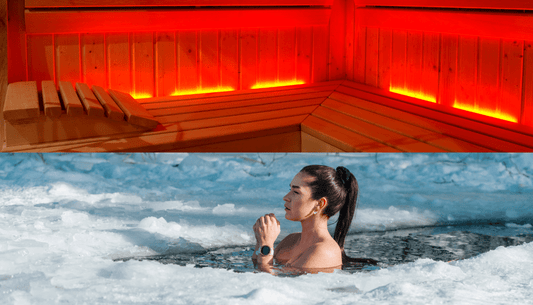
Heat can contribute to muscle relaxation and stimulation of blood circulation. For example, some athletes use one for this infrared sauna blanket.
Cold therapy
Cold baths or ice baths are sometimes used to reduce inflammatory responses and muscle soreness after strenuous exercise. The effect may differ per person, but in certain situations it is possible cold therapycontribute to recovery after intensive strain.
Recovery as part of your preparation for the 4 Days
While preparing for the 4 days the emphasis is often on making kilometers. Yet it is the balance between load and recovery at least as important.
By consciously paying attention to recovery through nutrition, hydration, rest and recovery methods, you help your body to adapt to the training load. This way you not only work on strong legs, but also on a fresh head for the next training kilometers.
Would you like to stay informed of more tips and have a chance to win a free starting ticket? Then sign up for our newsletter. We will raffle a free 4-day starting ticket among all new newsletter registrations.





2 comments
Tips zijn van harte welkom.
In 2026 niet ingeloot en ik zou graag omdat ik wel in training ben een startbewijs willen bemachtigen.
Het trainen gaat natuurlijk wel door samen met mijn man die wel de 30 km gaat/kan wandelen.
Handige tips